
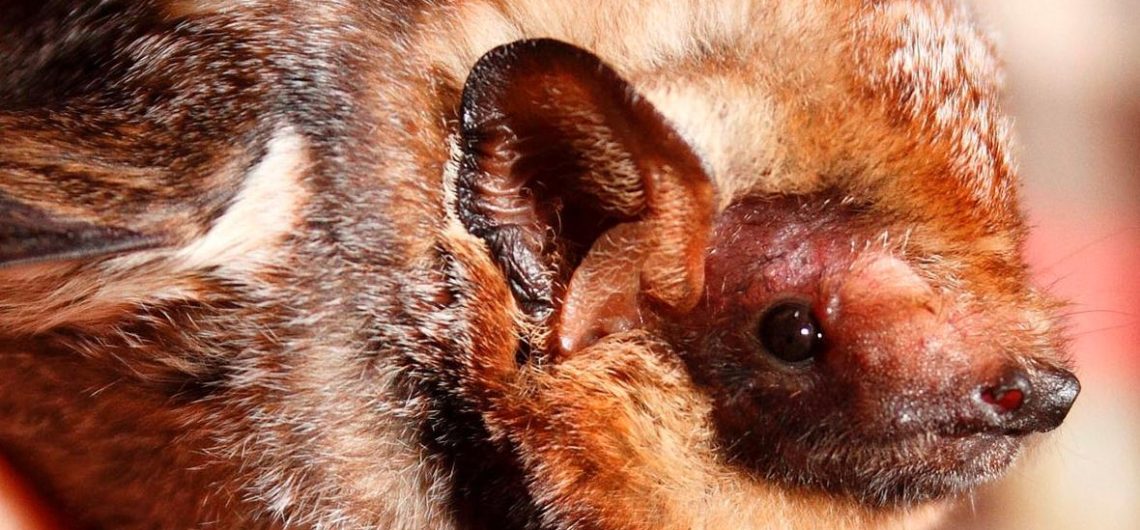
The Hawaiian Hoary Bat is the state's only native land mammal. It first arrived in Hawaii in two separate migrations from the Pacific Coast of North America. These two migrations happened in waves more than 9,000 years apart, according to U.S Geological Survey. Scientists study the differences in the DNA of the Hoary Bats to estimate their arrival and origin. Furthermore, the findings from this research “provide valuable information that is relevant for conservation management,” according to Dr. Maarten Vonhof, an Associate Professor of Biological Sciences and Environmental and Sustainability Studies at Western Michigan University. Moreover, Dr. Maarteen Vonhof emphasizes that “asking questions about the distribution of genetic variation and the number of unique lineages is fundamental to our understanding of the biology and conservation of this endangered animal.” Additionally, as the extinction capital of the world, Hawaii can’t afford to lose its only land mammal. Therefore, new research is imperative to better understand their behavior and help protect them. This endangered species is sometimes killed by wind turbines, located all over Hawaii. Due to this occurrence, USGS scientists from Hawaii and Colorado are using a video system to record, observe, and enhance our understanding of how wind turbines affect bats. The ultimate goal is to reduce the harmful effects on the endangered Hoary Bat population, while still being able to expand the wind-energy renewable resource. The total death toll in Hawaii is 146 Hoary Bats over the past 6 years. Most notably, the Kawailoa Wind Plant, located on the North Shore of Oahu, has been the biggest offender with deaths totaling 56 bats* *Source: By Andrew Gomes | Star Advertiser | October 24, 2018 | www.staradvertiser.com
The Hawaiian Hoary Bat is the state’s only native land mammal. It first arrived in Hawaii in two separate migrations from the Pacific Coast of North America. These two migrations happened in waves more than 9,000 years apart, according to